

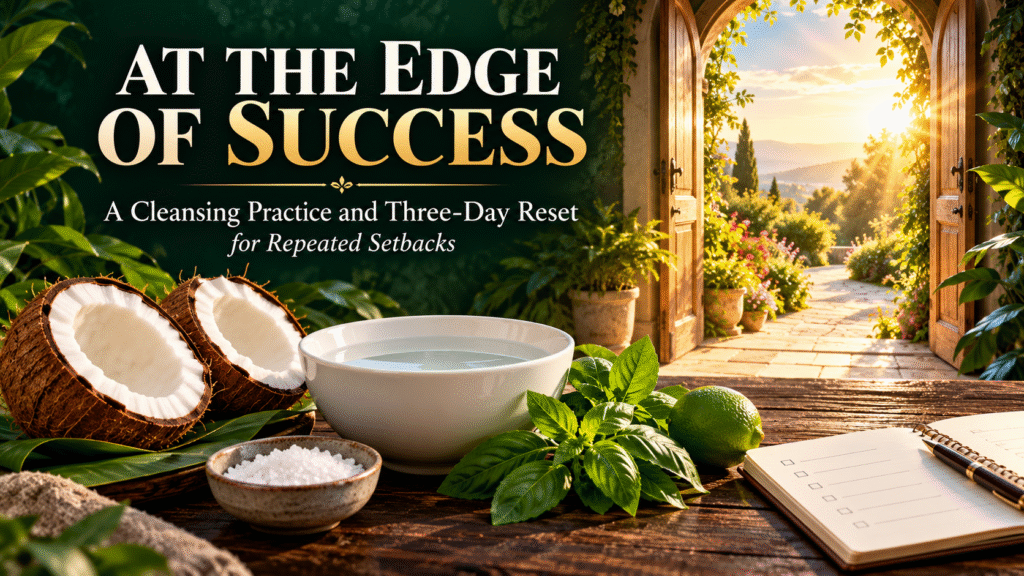
Connection With Your Spirit Guides and Personal Guardian

Three Gentle Practices for Guidance, Inner Clarity and Spiritual Connection
There are moments when you need more than encouragement. You need direction: clarity about your next step, courage to make a difficult decision, or peace while walking through an uncertain season.
For people who believe in spirit guides and personal guardians, these moments can become an invitation to deepen their spiritual relationship through prayer, quiet reflection and attentive listening.
The purpose of this practice is to seek guidance while strengthening your judgment, discipline and connection with what you hold sacred.
Within this spiritual understanding, a personal guardian is believed to accompany and support your life journey. However, the existence of an assigned guide—and the interpretation of dreams or impressions as its messages—belongs to faith and personal experience rather than established scientific knowledge.
The exercises below are contemporary devotional practices based on the methods described here. They should not be presented as universal rites shared by all African traditions.
Prepare Your Space and Your Intention
Before beginning, ask yourself:
“What do I need guidance about, and what responsibility am I ready to take?”
Choose one clear concern. It might be a business decision, a relationship boundary, a personal habit or a question about your direction in life.
Prepare a clean, quiet space with:
- A small bowl of clean water.
- Fresh coconut water, if desired.
- A journal and pen.
- A candle in a stable holder, or a battery-operated candle.
- Optional sandalwood or myrrh incense.
For these exercises, water represents renewal, light represents clarity, and fragrance marks a time set aside for reflection. These meanings are part of the devotional framework used here; they are not claims that the ingredients can summon spirits.
You can practise with clean water and quiet attention alone.
1. Dream Communication: Prepare to Receive and Remember
Purpose: To bring a sincere question into your evening reflection and record what you remember upon waking.
Suggested time: Shortly before your normal bedtime.
Step-by-step practice
- Put a little clean water into a washed bowl.
- If you wish to retain the original ritual detail, add seven drops of fresh coconut water. The number is a devotional choice, not a scientifically established requirement.
- Gently wash your face, keeping the mixture away from your eyes. Use plain water if coconut water irritates your skin.
- Sit quietly and take five comfortable breaths.
- Speak your intention:“Spirit guide assigned to me, if this is in harmony with my faith and highest good, guide my path. May I receive understanding with peace, clarity and sound judgment.”
- Write one question in your journal. For example:
“What practical step can I take to improve my business this week?” - Go to sleep at your usual time. Allow yourself to rest without trying to force a dream.
- On waking, write down anything you remember: a setting, a conversation, an emotion or an image.
Try this for three to seven nights if it remains comfortable. This is an optional reflection schedule, not a guaranteed spiritual timetable.
How to reflect on a dream
First, record the dream as you remember it. Then write your interpretation separately.
Ask:
- What feeling was strongest?
- Does this connect with something happening in my waking life?
- Is there a useful, safe action I can take?
A dream can feel meaningful without being a literal instruction or prediction. Avoid using dreams alone to accuse someone, spend substantial money or make a major life decision.
If you remember nothing, you have not failed. Rest is still valuable.
Pour away the leftover water and wash the bowl. Prepare a fresh mixture each time.
2. Meditation and Name Calling: Return to Your Centre
Purpose: To affirm your identity, settle your attention and reflect on your chosen question.
Suggested duration: Five to ten minutes.
Step-by-step practice
- Sit comfortably with your feet supported.
- Place a candle securely away from curtains, paper and other flammable materials. A battery-operated candle is a suitable substitute.
- Speak your full name slowly three times.
- After each repetition, pause and notice your breathing.
- Say:“I invite the spirit guide that walks with me, in accordance with my faith. May I recognise guidance that supports wisdom, compassion, truth and responsible action.”
- Bring your question to mind.
- Rest your gaze comfortably or close your eyes. You do not need to stare at the flame.
- Notice thoughts and feelings without immediately deciding where they came from.
- End by writing down one constructive action you can take.
For example, an impression about “an open door” might encourage you to submit an application, contact a potential customer or finish a delayed project. Give the insight a practical expression.
Record what arises before deciding what it means.
Extinguish the candle before leaving the room or going to sleep. Keep it away from children and pets.
3. Incense Pathway: Mark a Moment of Quiet Attention
Purpose: To create a deliberate transition from daily activity into spiritual reflection.
Sandalwood or myrrh may be used as part of this exercise. Fragrance does not establish that a spirit is present, and you do not need smoke to receive personal insight.
Step-by-step practice
- Choose a ventilated space.
- Place a small amount of incense in a suitable, heat-resistant holder.
- Sit away from the rising smoke.
- Say:“May this moment bring clear attention, peaceful reflection and guidance I can examine with wisdom.”
- Reflect on your question for about five minutes.
- Write down any thoughts that seem useful.
- Extinguish the incense completely. Let the holder and ashes cool before cleaning up.
Burning incense and candles adds particles to indoor air. Ventilation matters; a smoke-free version is a sensible choice when smoke bothers you or anyone sharing the space.
Safe substitution: Use an unlit candle, a bowl of water or simply a quiet seat. The practice can remain meaningful without fragrance or flame.
Discernment: Give Every Impression Time
You may personally understand a dream, thought or feeling as spiritual guidance. Give yourself room to consider other explanations too, including memory, expectation, emotion and ordinary problem-solving.
Before acting, ask:
Does this fit the facts? Does it respect other people? Can I discuss it openly with someone trustworthy?
Check important decisions against reliable information and practical advice. Guidance should never become a reason to harm someone, ignore consent or abandon necessary care.
If these exercises leave you frightened, disrupt your sleep or make you feel pressured to obey messages, pause them and seek support from a trusted person or qualified professional.
Make Connection a Daily Responsibility
A meaningful spiritual practice continues after the candle is extinguished.
Keep your promises. Care for your body. Speak truthfully. Respect boundaries. Learn from mistakes. Take the next useful step.
At the end of each session, write:
“Today, I will honour the guidance I seek by…”
Complete the sentence with something concrete:
- “…finishing the work I have postponed.”
- “…asking for help where I need it.”
- “…setting a respectful boundary.”
- “…making a careful plan before spending.”
Spiritual outcomes cannot be guaranteed. These practices offer a way to express faith, reflect on your life and approach decisions with greater care.
Seek guidance with an open heart. Examine it with a clear mind. Give it purpose through responsible action.
Reader invitation: Begin with one practice tonight. Record your experience without forcing an interpretation, and choose one constructive step for tomorrow.
Search keywords: spirit guides, personal guardian, spiritual connection, dream journaling, meditation for guidance, spiritual discernment
Hashtags: #SpiritGuides #PersonalGuardian #SpiritualConnection #DreamJournaling #SpiritualWellness #InnerClarity #NufuteneHerbal